Successful Journalism Lab
Virtual / June 7-11, 2027 / Select cohort / Limited to six participants
The Successful Journalism Lab is a pop-up newsroom and learning space from Successful Journalism for Communities. It is an annual one-week program, with guidance from people with professional journalism experience. A session will require about 40 hours of your time. Scroll down for how to apply.
Successful Journalism Lab is open to students and early career professionals. This program has served both people who have written professionally as full time journalists and students with no journalism training or experience – we meet you at your level.
You will be edited and mentored. You will make new contacts and learn how to produce an emotionally engaged news service. And you'll finish the week ready to write basic works of journalism, or just ready to write better, with at least one published writing sample to help pursue future opportunities.
We offer full and partial scholarships to participate in the highly selective cohort of six.
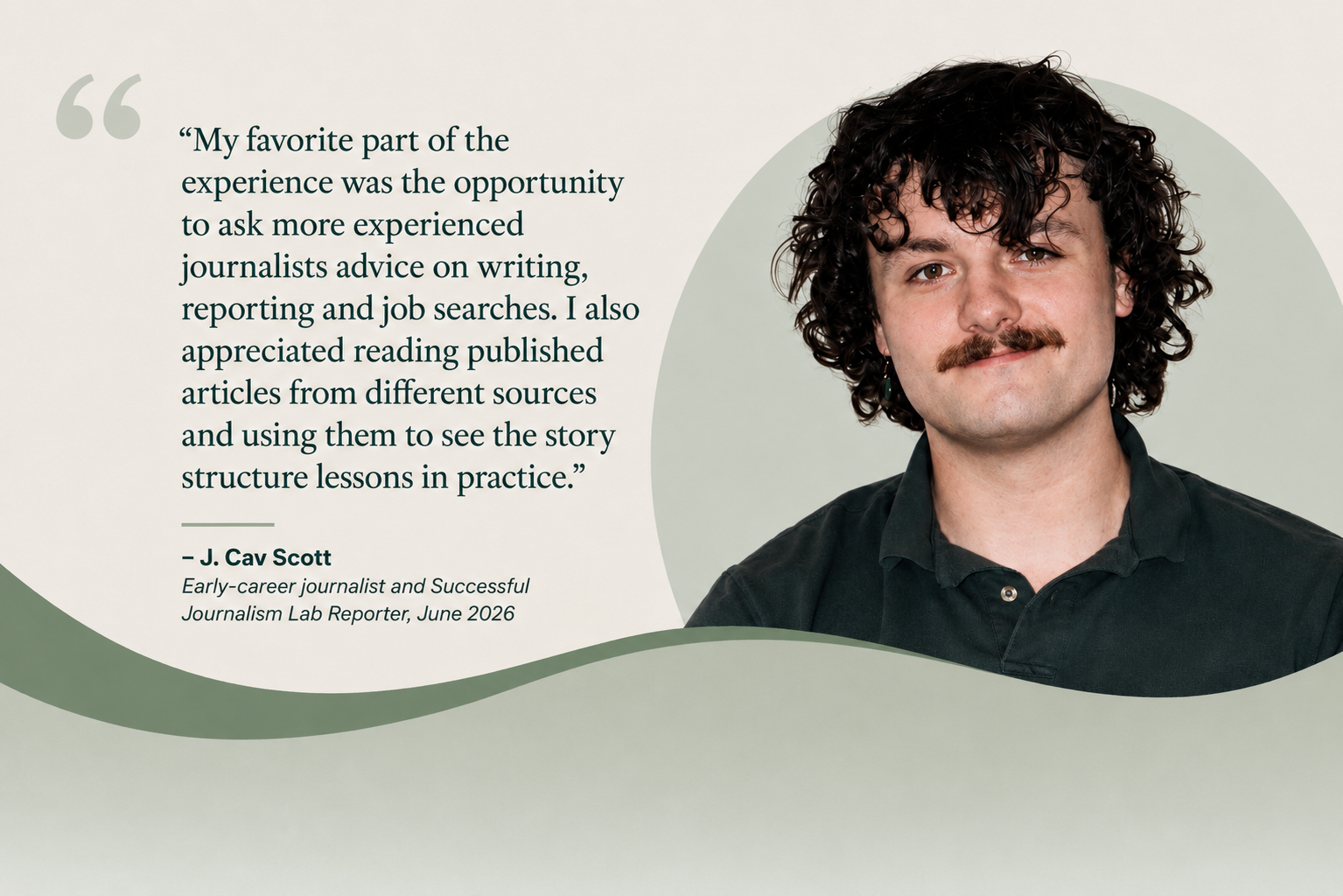
A journalism boot camp that cares
The Successful Journalism Lab is a structured, intensive newsroom experience focused on journalism craft and emotional engagement.
It is essentially a community journalism boot camp, a workshop that cares.
It exists to train emerging journalists through real editorial work, clear standards, and direct feedback — working with an editor who has run newsrooms and trained people now at major organizations.
This is not a traditional class. It is virtual, yet is a working newsroom environment shaped by professional expectations, deadlines, revision, and emotional engagement of readers.
Instructor/Editor
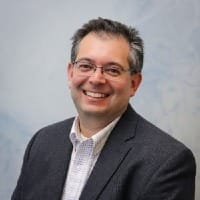
Rob Golub. You will work directly with Rob. He is a current community journalist and former chief editor of a daily newspaper. He speaks at conferences on journalism and is the founder of this site. His work focuses on combining professional standards with emotional engagement to build trust, relevance and community connection. He has been training new journalists for 20 years, including professionals who went on to work or intern at The New York Times, MSNBC, CNN, and community news organizations everywhere.
What two Lab grads say about our instructor
"I never once doubted that Rob was running the Lab out of a vocational devotion to journalism and its future. He takes this stewardship seriously, and it shows in his careful fielding of questions, individualized commentary in one-on-one meetings, and clear interest not only in making good journalists, but in putting good people in journalism. Rob made sure that we participants understood he would be available to us as a mentor long after the Lab’s five days were over." - Alexandra Fahey
"I gained knowledge on basic but necessary things like nut graphs. I liked being able to speak with Rob about the assignments ... instructor, editor or mentor, he is always there when need be." -Briana Bush
Prior Guest Mentors
Participants will also meet with experienced journalism and career professionals, serving as Guest Journalism Mentors, Guest Career Mentors, or both. Each guest mentor will join the Lab for focused sessions on reporting, newsroom realities, career development or navigating today’s media landscape.
We have not yet set our roster of 2027 guest mentors. Here is our mentor roster from the June 2026 cohort:
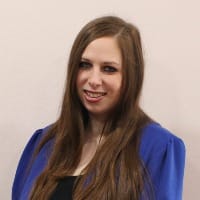
Sari Lesk. Sari is the Managing Editor of the Milwaukee Business Journal. During the 2021-2022 academic year, Lesk participated in the O’Brien Fellowship in Public Service Journalism at Marquette University, where she completed a series on the risks banking industry consolidation poses to entrepreneurs’ access to capital. More recently, she taught a course in investigative reporting at Marquette University.
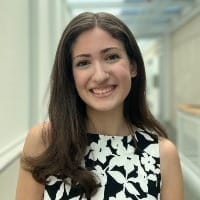
Sofia Rubinson. Sofia is an Analyst at NewsGuard and the Senior Editor of Reality Check, NewsGuard’s daily newsletter about how false claims spread — and who’s behind them. She evaluates local and national news outlets for credibility and transparency, and researches how the decline of local newsrooms reshapes access to trustworthy information.
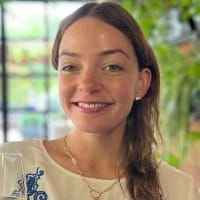
Grace St. Peter. Grace is a Research Program Manager at Meta where she supports compliance and policy efforts related to research. Prior to working in the tech industry, Grace worked at NBC News on the Breaking News team where she edited social media and breaking news app content. Grace received her BS in Journalism from Northwestern University's Medill School of Journalism.
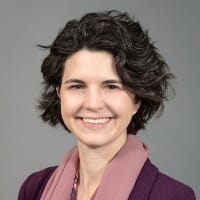
Bridget Thoreson. Bridget has worked with 145-plus newsrooms on engagement and collaborative journalism strategies, and was the first Director of Collaborations for the Institute for Nonprofit News, where she managed the launch of the Rural News Network. She's writing her first book, a business guide for navigating nonlinear careers.
What happens in the Lab
Participants in the Successful Journalism Lab learn both in seminars and by doing:
- Reporting and writing stories under real editorial conditions
- Learning how structure, clarity and emotional engagement work together
- Receiving direct editorial feedback
- Developing judgment through revision and discussion
The Lab includes the fundamentals as needed: clear nut graphs and strong composition, grounded in reporting. We will meet you at your skill level. If you need to learn basics, you‘ll learn basics. If not, you’ll move along to emotional engagement and deeper lessons on craft.
Participants will work as Lab Reporters:
- Write on interview(s) recorded by a professional journalist.
- Report, write and revise written journalism.
- Work closely with an editor.
- Participate in an emotional engagement workshop, to prepare you for the future of journalism.
- End with a career mentorship meeting and access to more.
- Leave with a published writing sample suitable for use in pursuit of future opportunities.
Who the Lab is for
The Successful Journalism Lab is designed primarily for:
- College journalism students
- Early-career journalists
Select high school students may also be considered. Participants should expect a serious workload and a professional environment.
What two more Lab grads say about the experience
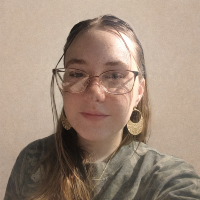
"I would describe the Lab as an incredibly supportive and educational experience for anyone interested in journalism. It provides valuable lessons on journalistic writing, reporting, and the industry as a whole, while also giving participants the opportunity to learn from experienced professionals. I gained a lot from participating in the Lab. I learned important concepts, such as nut graphs, and terms like clips. Most importantly, though, I gained confidence in myself and my writing. I've often struggled with impostor syndrome and felt like I wasn't good enough, but this experience helped me see that I do have something valuable to contribute. The lessons and guest speakers consistently encouraged us not to underestimate our worth, especially as we try to find our footing in the journalism world. That message really stayed with me and helped me believe more in my abilities as a writer and aspiring journalist." - Hailey Arends
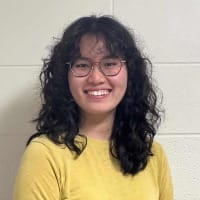
"You’ll learn core journalism knowledge and skills in a week with Rob and other mentors. It’s condensed and fast-paced, but it’s no heavier than school. Great knowledge, connections, and most important of all, valuable writing experiences. I had zero experience and I had fun—you could too!" - Doanh Tran
What the Lab is not
The Successful Journalism Lab is not:
- A content farm
- More cynicism in a world that has enough of that
You will produce content for this site, but that’s truly not the point. The goal is not volume. This is not to get something done without paying for it. This will be more work for us than benefit to the site, honestly. The goal is to help prepare tomorrow’s journalists for a rapidly changing world, grounded in the principles of this site.
Why the Lab exists
The Lab exists because journalism matters, and because new journalists deserve a place that respects them and their needs. This is for people who care about journalism and others.
Journalism doesn’t struggle because people don’t want truth. It struggles when it doesn‘t earn the trust of the people it serves. When we emotionally engage our audiences, with responsible and professional journalism grounded in old-fashioned newsroom values, so much more becomes possible.
In short, the Successful Journalism Lab builds on the principles behind Successful Journalism for Communities. If you saw one of our presentations and it resonated with you, you’ve come to the right place.
How to apply
The Lab is a virtual, structured experience involving about 40 hours of work and learning over one week. It runs June 7-11, 2027.
We offer full and partial need-based scholarships to participate in the highly selective cohort of six. The full tuition fee is $595 for the week. After acceptance, you may either pay the fee or apply for a scholarship.
The Successful Journalism Lab is open for applications now and slots will be filled on a rolling basis.
To apply, please send:
- A resume
- Writing samples
- A note of interest
- GPA if applicable
Applications (or questions) should be emailed to Rob@SuccessfulJournalism.com